- English
- Español
- Português
- русский
- Français
- 日本語
- Deutsch
- tiếng Việt
- Italiano
- Nederlands
- ภาษาไทย
- Polski
- 한국어
- Svenska
- magyar
- Malay
- বাংলা ভাষার
- Dansk
- Suomi
- हिन्दी
- Pilipino
- Türkçe
- Gaeilge
- العربية
- Indonesia
- Norsk
- تمل
- český
- ελληνικά
- український
- Javanese
- فارسی
- தமிழ்
- తెలుగు
- नेपाली
- Burmese
- български
- ລາວ
- Latine
- Қазақша
- Euskal
- Azərbaycan
- Slovenský jazyk
- Македонски
- Lietuvos
- Eesti Keel
- Română
- Slovenski
- मराठी
- Srpski језик

Why Anhydrous Sodium Metasilicate Matters in Modern Industrial Formulations
Industrial formulators increasingly need raw materials that can provide consistent alkalinity, cleaning performance, water-softening capability, and reliable processing characteristics. In detergent, cleaning, construction, and chemical formulations, the choice of an inorganic builder can directly influence product stability and production efficiency.
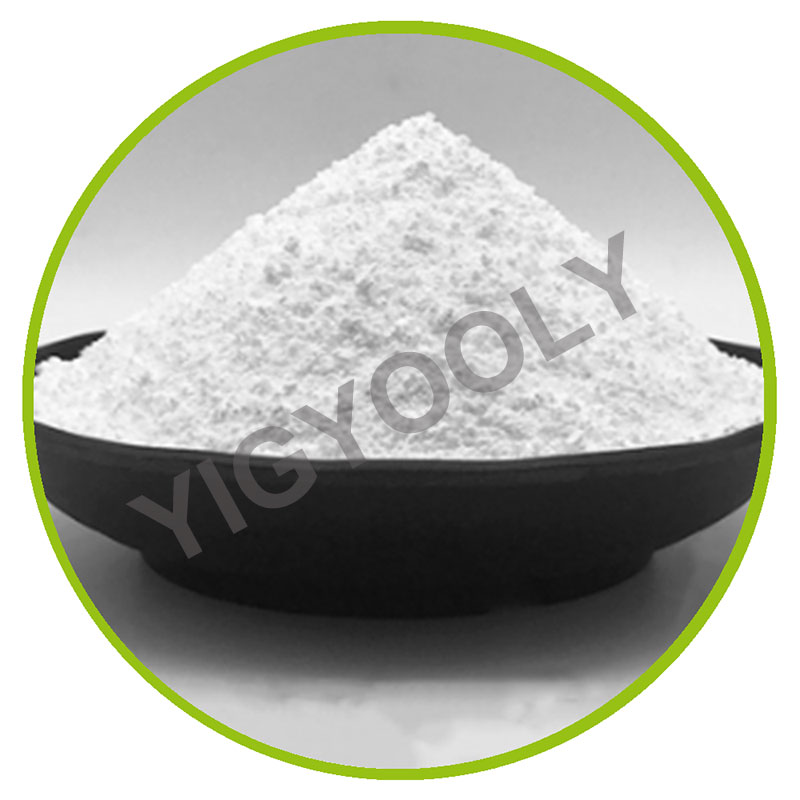
Sodium Metasilicate Anhydrous is one such material. Unlike hydrated sodium metasilicate grades, the anhydrous form contains no crystal water, making it useful when formulators need a concentrated source of sodium metasilicate without introducing additional water into the formulation.
For manufacturers, importers, and chemical distributors, the key procurement considerations include chemical composition, purity, physical form, packaging, storage conditions, application compatibility, and batch consistency. Yigyooly supplies anhydrous sodium metasilicate for industrial applications where controlled alkaline performance and formulation flexibility are required.
What Makes Anhydrous Sodium Metasilicate Different?
Concentrated Inorganic Alkalinity
Anhydrous sodium metasilicate is an inorganic sodium silicate compound with strong alkaline characteristics. In aqueous systems, it dissolves to form an alkaline solution that can support cleaning, emulsification, dispersion, and water-softening processes.
Because the anhydrous grade does not contain crystallization water, it provides a concentrated form of the active chemical. This can be useful for manufacturers developing dry formulations or applications where controlling the moisture content of raw materials is important.
Suitable for Dry Chemical Formulations
Powder-based detergents and industrial cleaning products often require dry ingredients that can be blended, stored, and transported efficiently. Anhydrous sodium metasilicate can be incorporated into these formulations as an alkaline builder and processing component.
Its low-moisture nature can also help formulators manage the physical characteristics of dry mixtures when compared with hydrated grades, although the appropriate grade should always be selected according to the complete formulation.
Core Parameters Buyers Should Check
| Parameter | Reference Information | Why It Matters |
|---|---|---|
| Product Name | Sodium Metasilicate Anhydrous | Identifies the water-free sodium metasilicate grade |
| Chemical Formula | Na₂SiO₃ | Defines the basic chemical composition |
| CAS Number | 6834-92-0 | Supports chemical identification and international procurement |
| Physical Form | White powder / solid | Suitable for dry blending and industrial formulation |
| Alkalinity | Strong alkaline material | Supports cleaning and formulation performance |
| Water Content | Anhydrous grade | Contains no crystallization water |
| Solubility | Soluble in water | Allows use in aqueous cleaning and processing systems |
| Primary Function | Alkaline builder and water softener | Supports detergent and cleaning formulations |
| Application Areas | Detergents, cleaning agents, industrial chemicals, construction-related formulations | Suitable for multiple industrial applications |
| Storage | Dry and sealed environment | Helps protect product quality during storage |
Exact purity, particle size, bulk density, whiteness, packaging specifications, and other quality indicators should be confirmed with the supplier according to the intended application and purchasing requirements.
How Sodium Metasilicate Supports Cleaning Formulations
Alkalinity Helps Remove Contaminants
Alkaline ingredients play an important role in many cleaning formulations. They can help loosen and disperse certain types of oils, grease, and organic residues, making them easier to remove from hard surfaces.
Sodium metasilicate can therefore serve as a builder in industrial and household cleaning formulations. Its contribution depends on the complete formulation, including surfactants, chelating agents, water conditions, and other alkaline ingredients.
Supporting Surfactant Performance
Cleaning systems often contain multiple active components. An inorganic builder can help create a suitable alkaline environment for surfactants and other cleaning ingredients to function effectively.
This makes sodium metasilicate particularly relevant to detergent manufacturers that need to balance cleaning performance, formulation stability, and raw-material cost.
Water Softening Is Another Important Function
Reducing the Influence of Hard Water
Hard water contains calcium and magnesium ions that can interfere with cleaning processes and reduce the effectiveness of some surfactants. Builders are commonly incorporated into detergent systems to help manage the impact of these ions.
Sodium metasilicate can contribute to water-softening and builder functions within suitable formulations. This can help maintain cleaning performance when products are used in areas with different water hardness levels.
Supporting Consistent Cleaning Results
For commercial detergent manufacturers, consistency is essential. A formulation that performs well under one water condition may not provide identical results under another.
Using an appropriate builder system can help formulators develop products with more predictable performance across different operating conditions. The actual dosage and combination of ingredients should be established through formulation testing.
Why the Anhydrous Form Is Useful for Manufacturers
Low Moisture Content
One of the main differences between anhydrous and hydrated sodium metasilicate is the absence of crystal water in the anhydrous form.
This distinction can be important when developing dry products. Additional moisture from raw materials can affect powder flow, storage stability, blending behavior, and the physical properties of finished products.
Efficient Active-Material Handling
For manufacturers purchasing large quantities of inorganic chemicals, concentration and formulation efficiency are practical considerations. Anhydrous sodium metasilicate provides the metasilicate component without the additional crystal water associated with hydrated forms.
However, buyers should not automatically assume that anhydrous material is the best choice for every application. Hydrated grades may be more appropriate where the formulation or production process is designed around their specific properties.
Applications Across Different Industries
Detergent Manufacturing
Detergent manufacturers use alkaline builders to support cleaning performance and manage the effects of water hardness. Sodium metasilicate can be incorporated into powder detergents, industrial cleaners, and other alkaline cleaning formulations.
Its role can include alkalinity adjustment, builder performance, water softening, and support for the overall cleaning system.
Industrial Cleaning Products
Industrial facilities often need cleaning products capable of handling grease, oil, dirt, and other residues. Sodium metasilicate can be used as part of alkaline cleaning formulations for suitable industrial applications.
The final formulation should be selected according to the type of contamination, substrate material, operating temperature, concentration, and required cleaning performance.
Metal Cleaning and Processing
Alkaline chemical systems are widely used in metal-processing environments for cleaning and surface preparation. Sodium metasilicate may be incorporated into suitable formulations where controlled alkalinity and detergency are required.
Compatibility testing is essential because different metals and surface treatments can respond differently to alkaline chemicals.
Construction and Mineral-Based Formulations
Sodium silicate-based materials are also used in certain construction, cement, refractory, and mineral-processing applications. The suitability of anhydrous sodium metasilicate depends on the specific formulation and the required chemical reaction.
Manufacturers should evaluate setting behavior, compatibility, dosage, and final product performance through laboratory or production-scale testing.
Storage and Handling Require Attention
Keep the Product Dry
Anhydrous sodium metasilicate should be stored in a dry environment with suitable packaging protection. Exposure to moisture can affect the physical condition of a water-sensitive powder and may influence its handling characteristics.
During warehouse storage, containers should remain properly sealed when the material is not being used. Storage areas should be clean, dry, and appropriately ventilated.
Use Appropriate Protective Equipment
As an alkaline inorganic chemical, sodium metasilicate can cause irritation or burns when it comes into contact with skin or eyes, particularly at higher concentrations. Industrial users should follow the product's safety data sheet and workplace chemical-handling procedures.
Appropriate protective gloves, eye protection, protective clothing, and suitable dust-control measures should be used according to the actual handling environment.
Control Dust During Processing
Powder handling can generate airborne particles during weighing, transferring, and blending. Industrial facilities should use appropriate ventilation and dust-control systems to minimize unnecessary exposure.
Employees should be trained in chemical handling procedures, and the supplier's latest safety documentation should be available at the production site.
What B2B Buyers Should Verify Before Ordering
Confirm Chemical Specifications
Purchasers should request the latest technical data sheet and certificate of analysis before bulk procurement. Important specifications may include purity, chemical composition, particle size, bulk density, moisture content, and other application-specific indicators.
For customers using the material in detergents or industrial formulations, the required specification should be linked directly to the finished-product performance rather than selected only according to price.
Check Packaging Requirements
Chemical packaging should protect the product against moisture during transportation and storage. Buyers should confirm bag type, net weight, pallet configuration, container loading method, and labeling requirements before shipment.
For long-distance international transportation, packaging integrity becomes particularly important because temperature and humidity conditions can change during transit.
Evaluate Batch Consistency
Consistent raw materials are essential for manufacturers operating continuous production lines. Variations in chemical purity, moisture, particle size, or physical characteristics can affect downstream formulation and processing.
Buyers should therefore consider supplier quality-control procedures, batch documentation, sample testing, and long-term supply capability when selecting a chemical supplier.
Why Supplier Quality Control Matters
For industrial chemicals, product performance depends heavily on consistency between batches. A supplier should be able to provide clear product specifications and supporting quality documents so buyers can verify whether the material meets their formulation requirements.
Yigyooly supplies sodium metasilicate products for industrial customers and focuses on chemical raw materials used across detergent, cleaning, construction, and other application areas.
For international buyers, supplier evaluation should include more than product availability. Quality documentation, packaging standards, export experience, technical communication, sample support, and after-sales service can all influence the reliability of long-term procurement.
How to Select the Right Sodium Metasilicate Grade
The correct grade should be selected according to the final application rather than simply choosing the highest concentration available. Detergent manufacturers may prioritize alkalinity and builder performance, while industrial formulators may focus on dissolution behavior, particle size, moisture content, or compatibility with other raw materials.
Buyers should first define the required formulation properties and then discuss the target specifications with the supplier. Where the product will be used in a new formulation, laboratory testing should be completed before large-scale procurement.
Why Anhydrous Sodium Metasilicate Remains Relevant
As manufacturers continue to optimize cleaning formulations and industrial chemical processes, raw materials that provide predictable chemical functionality remain important. Anhydrous sodium metasilicate offers a concentrated source of sodium metasilicate without crystal water, making it suitable for a range of dry and aqueous industrial formulations.
Its value comes from its combination of alkaline characteristics, builder functionality, water-softening capability, and formulation flexibility. However, successful application depends on selecting the correct grade, dosage, and formulation conditions.
For detergent manufacturers, industrial cleaning-product producers, chemical distributors, and other B2B users, Sodium Metasilicate Anhydrous from Yigyooly can serve as a functional inorganic raw material for applications requiring controlled alkalinity and builder performance. Buyers can achieve more consistent procurement results by confirming technical specifications, safety documentation, packaging, and application compatibility before placing bulk orders.