A detergent is judged in the wash, not on the claim printed on the pack. So why choose Sodium Percarbonate for eco-friendly laundry detergents? At YIGYOOLY we manufacture this compound in China and export it to Russia, Korea, Turkey, Mexico and further afield, and the reason we keep recommending it is straightforward: it cleans through oxygen, it breaks down into ordinary substances, and it softens the wash water while it works. This article walks through what we look at when a detergent maker asks us about SPC — from the chemistry to the storage note we give every buyer.
The Short Answer: Why We Start With SPC
Three reasons, in the order we give them to a formulator. First, Sodium Percarbonate is an oxygen bleach: the cleaning power comes from active oxygen rather than chlorine, so it suits a detergent that wants a "green" position without giving up stain removal. Second, what is left after the reaction is oxygen, water and sodium carbonate — ordinary substances, not a residue that lingers in the fabric. Third, that sodium carbonate raises the pH of the water and reduces calcium and magnesium ions, so the same ingredient also softens the wash.
We do not pitch it as a cure for every soil. Grease and body oils still need surfactants, and a heavily soiled work shirt will not be saved by bleach alone. But for the stains that make a white load look tired — fruit, wine, yellowing — this is the ingredient we reach for first. If you are building a modern detergent line, our detergent chemicals range is where we usually start the conversation.
What Sodium Percarbonate Actually Is
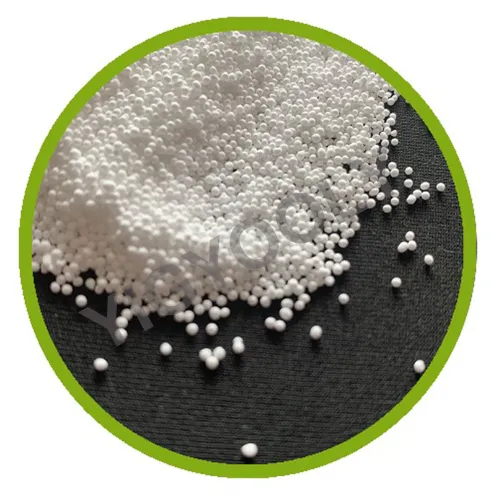
It is an addition compound of soda ash and hydrogen peroxide: a white crystalline powder that releases oxygen when exposed to moisture. The full identity is not complicated, but buyers should have it in front of them before they write a spec, because CAS numbers and molecular formulas are what customs papers and quality certificates actually use.
| Item | What we supply | Why it matters to a buyer |
|---|---|---|
| Chemical name | Sodium Percarbonate (SPC) | The name that appears on the invoice and the safety sheet |
| CAS No. | 15630-89-4 | The identifier for customs, registration and specification checks |
| Molecular formula | 2Na2CO3·3H2O2 | Shows it is a soda ash / hydrogen peroxide adduct, not a mixture |
| Molecular weight | 314.02 | Used in formulation calculations |
| Appearance | White granular powder or tablet | Decides how it handles, doses and blends on your line |
| Packing | 25 kg bags or jumbo bags | Fits both small formulation trials and bulk production |
| Character | Strong oxidising agent; releases oxygen on contact with moisture | The reason it bleaches — and the reason storage discipline matters |
We also list the same material under its short form on our SPC page, because purchasing teams often search by the abbreviation rather than the full chemical name.
How the Oxygen Release Does the Cleaning
When SPC meets water it decomposes into oxygen, water and sodium carbonate. At room temperature it releases reactive oxygen species quickly, and those species are what break down the stains that ordinary laundry detergent cannot shift — fruit marks, wine, yellowing on whites. Alongside bleaching, the reaction gives a disinfection and sterilising effect, which is why the same compound turns up in cleaners and bactericides, not just in laundry powders.
The practical benefit we point out to customers is dosage. Because the addition of this oxygen-containing detergent greatly increases the effective composition of a formulation, it can reduce the amount of detergent needed overall — less product per wash, lower packaging volume, lower freight per wash. In our industrial chemicals work that kind of "do more with less" argument is usually the one that survives a cost review.
The Water-Softening Bonus You Do Not Have to Add
Here is the part of the chemistry that formulators sometimes overlook. The sodium carbonate produced when the compound decomposes increases the pH of the water and reduces the content of calcium and magnesium ions. In plain terms: the wash water gets softer, and the detergent works better on the fabric as a result.
That built-in effect can reduce how much separate softener or builder you need in the formula. Depending on the water hardness in your market, we sometimes suggest pairing SPC with anhydrous sodium metasilicate, trisodium phosphate or sodium gluconate, but we treat those as choices rather than defaults. Hard water in one export market and soft water in another call for different balances, and we would rather ask than assume.
Clean at Room Temperature, Dry Indoors Without Odour
Two details in the product brief are worth pulling out because they map to real complaints in the field. The first is room-temperature action: the compound decomposes and releases active oxygen without needing a hot wash, which matters in markets where energy saving is a selling point and where cold-water washing is the norm.
The second is the drying result. Even when washed fabric is dried indoors, it does not develop an odour. That follows from the breakdown products — there is no chlorine smell trapped in the fibres, and nothing that turns sour during slow drying. We still tell customers to rinse heavily soiled loads properly; the bleach will not compensate for detergent left in the cloth. But the "no smell after indoor drying" point is one that laundry brands can genuinely use, and it comes from the chemistry rather than from a fragrance.
The Environmental Case We Can Defend
Sodium Percarbonate is an efficient, energy-saving and environmentally friendly oxygen-based bleaching agent, and it fits the development direction of modern detergents. Its decomposition products — oxygen, water and sodium carbonate — are naturally occurring substances with no adverse effect on the environment. It is produced in line with the trend towards detergents that do more with a smaller dosage.
We are careful with this claim. We do not tell a customer that any chemical is impact-free, because that is not a statement we can support. What we can support is specific: what the material breaks into, how much detergent the wash consumes, and whether the resulting effluent profile suits the destination market. If you want a broader view of how we position this alongside other water treatment chemicals, the distinction becomes clearer — some products clean by remaining active, this one cleans by disappearing into benign products.
The Specification Checklist We Work Through
We do not quote a single grade to every enquirer. Detergent programmes differ in dosing system, water hardness, wash temperature and target market, so we work through a short checklist before we confirm a supply. It is the same list we use when a customer arrives from our product catalogue rather than from a search result.
| What we confirm | Why it matters | What we need from you |
|---|---|---|
| End use | Detergent, cleaner, textile bleaching or another process changes the grade | Your formulation and process |
| Form | Granular or tablet changes dosing and blending | Your dosing equipment |
| Coated or uncoated | Affects stability in humid storage and handling | Warehouse climate and shelf-life target |
| Dosage and wash temperature | Determines how much active oxygen you actually need | Typical wash cycle |
| Water hardness | Decides how much built-in softening is useful | Source water analysis, if available |
| Packing | 25 kg bags or jumbo bags, depending on line size | Order quantity and handling method |
| Destination market | Registration and documentation differ by country | Shipping destination |
| Volume | Drives price and lead time | Trial and annual quantities |
For readers who want the wider context first, our short note on anhydrous sodium metasilicate in modern formulations explains why we ask about the rest of the formula before recommending a single ingredient.
Beyond Laundry: Where Else We Supply It
We would rather show the full application map than sell one use. The same oxidising behaviour that lifts a wine stain also serves other industries, and several of our customers buy SPC for a process that has nothing to do with washing machines.
| Application | Fit | Our reasoning |
|---|---|---|
| Laundry and household detergents | Best fit | Oxygen bleaching, disinfection, water softening and lower dosage |
| Detergent and cleaning formulations | Best fit | Effective composition of the detergent is increased |
| Textile bleaching and dyeing finishing | Good | Works as a bleaching and dyeing & finishing agent |
| Paper making | Good | Used as a pulp bleaching agent |
| Dishware and surface disinfection | Good | Releases active oxygen with a sterilising effect |
| Metal surface treatment | Good | Oxidising action fits certain cleaning and prep steps |
| Food applications | Specific use | Can prolong the shelf life of fruit — handled with food-grade controls |
| Aquaculture | Good | Widely used as an oxygenator in water |
That breadth is why we list the material across detergent, coating and industrial categories, and why a buyer from a paper mill and a buyer from a detergent plant can end up discussing the same grade. Nearby ingredients that often sit in the same order include sodium bicarbonate, sodium lauryl ether sulfate and citric acid monohydrate.
Forms and Coatings: Granular, Tablet, Coated, Uncoated
One question we get from detergent producers is which physical form to specify. Granular material blends easily into powders and is the usual starting point. Tablets suit automatic dosing systems where a measured unit is dropped into the machine. Coated and uncoated versions are a stability choice: a coating helps the product survive humid storage, while an uncoated grade releases faster once it is wet.
Our honest view is that coating is a trade, not an upgrade. You buy shelf life in a difficult warehouse climate and give up a little immediate release. If your product moves quickly through a dry distribution chain, the uncoated grade may be the better value. We will ask where the detergent is made and stored before we recommend one — the answer changes more often than buyers expect.
Storage and Handling: The Note We Give Every Buyer
Sodium Percarbonate should be stored avoiding high temperature or moisture, and protected from water, rain and sunlight. It is an oxidising agent that releases oxygen on contact with moisture, so humidity is the real enemy — not the temperature on a normal warehouse day.
| Condition | What we recommend | Why we say it |
|---|---|---|
| Moisture | Keep bags sealed until use; do not open in a damp room | Contact with moisture starts decomposition |
| Rain and water | Store under cover, off the floor | Water ingress is the most common cause of caking and loss of strength |
| Sunlight | Avoid direct exposure | Heat and light accelerate degradation over long storage |
| High temperature | Choose a cool, ventilated store | Protects active oxygen content over the shelf life |
| Stock rotation | Use first-in, first-out | Even a stable grade is better when it does not sit for a year |
| Packing | 25 kg bags for trials and smaller lines; jumbo bags for bulk | Less handling means fewer opportunities for moisture pickup |
The failure pattern we see most often is not a bad batch — it is a good batch stored in a humid port warehouse for a summer. That is why we raise the storage question at enquiry stage rather than after delivery.
Working With YIGYOOLY
YIGYOOLY is an experienced and professional Sodium Percarbonate manufacturer in China. Our material has been exported to Russia, Korea, Turkey, Mexico and other markets, and the two things customers come back for are stable, high quality and a competitive price. We hold that position by treating each enquiry as a specification exercise, not a catalogue lookup.
We produce and supply the compound in granular and tablet forms, coated and uncoated, in 25 kg bags or jumbo bags, and we support buyers who are building a detergent formulation rather than simply buying a chemical. You can read more about who we are on our about page, scan the wider product range, or follow our industry news for more formulation notes. We are looking for long-term supply relationships, which is why we answer the awkward questions early.
Frequently Asked Questions
1. Why choose Sodium Percarbonate for eco-friendly laundry detergents?
It cleans through oxygen rather than chlorine, breaks down into oxygen, water and sodium carbonate, and softens the wash water at the same time. A formulator gets bleaching, disinfection and a detergent-boosting effect from one ingredient, which is why we put it first when a customer asks for a greener oxygen bleach.
2. What is the chemical composition and CAS number of Sodium Percarbonate?
It is an addition compound of soda ash and hydrogen peroxide with the formula 2Na2CO3·3H2O2, a molecular weight of 314.02 and CAS No. 15630-89-4. It appears as a white granular powder or tablet and releases oxygen when it meets moisture.
3. Does Sodium Percarbonate work in cold or room-temperature washing?
Yes. It decomposes at room temperature and releases reactive oxygen species, which is how it lifts fruit stains, wine stains and yellowing that ordinary laundry detergent leaves behind. We still ask about wash temperature and contact time, because a short cold cycle gives the chemistry less time to work.
4. Why does clothing dried indoors not develop an odour with this bleach?
The breakdown products are oxygen, water and sodium carbonate, so there is no chlorine smell left in the fabric and nothing that turns sour during slow indoor drying. For heavily soiled loads we still advise a proper rinse, but the bleach itself does not leave an odour behind.
5. Is Sodium Percarbonate environmentally friendly, really?
We answer carefully: it is an oxygen-based bleach whose decomposition products are naturally occurring substances with no adverse effect on the environment, and it can lower the total amount of detergent needed. We do not call any chemical impact-free — we talk about what it breaks into and how much product the wash consumes.
6. Can YIGYOOLY supply different forms and packing for detergent producers?
Yes. We supply granular and tablet forms, with coated and uncoated options, packed in 25 kg bags or jumbo bags. Tell us your dosing method, target market and annual volume and we will confirm the grade before production. We reply to inquiries within 24 hours.
Talk to Our Team
Need an oxygen bleach recommendation for your detergent line?
Tell us the formulation, your wash conditions, the form you need and the market you sell into. We will confirm whether Sodium Percarbonate is the right choice and which grade fits — or say plainly when another option is better. You can contact our team or leave a message, and we will reply within 24 hours.